Sedation Dentistry for Kids: Safety Questions Parents Ask
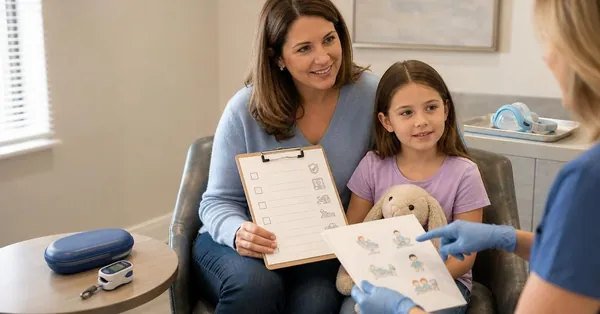
If you are searching for a kids dentist in Albany because your child is anxious, very young, has special healthcare needs, or needs more dental work than can be done comfortably in one visit, it is normal to have big questions about sedation. Parents want two things at the same time: effective treatment and a calm, safe experience.
This guide answers the most common safety questions Albany families ask, explains what sedation is meant to do (and what it is not), and helps you know what information to share so your child’s dental team can plan wisely.
TL;DR - What Albany Parents Should Know About Kids Sedation
Pediatric dental sedation is not a one-size-fits-all solution. The safest approach is individualized: the right type of sedation for your child, careful screening, and clear at-home preparation.
- Sedation is about comfort and cooperation, not “knocking a child out” in every case.
- Safety starts with health history, medications, allergies, and recent illness updates.
- Monitoring and trained supervision are key parts of any sedation plan.
- Preparation matters, especially following eating and drinking instructions.
- Some children are better served with hospital dentistry depending on needs and complexity.
In our previous blog, "How Albany Parents Can Choose a Pediatric Dentist," we discussed how to evaluate a dental home for your child. In this article, we focus on sedation-specific safety questions and what to expect.
Why A Pediatric Dentist May Recommend Sedation For A Child
Sedation dentistry can be recommended when a child needs treatment but has difficulty staying still, is extremely anxious, has a sensitive gag reflex, or needs multiple procedures. In pediatric dentistry, a calm environment helps the dentist work carefully and helps your child build more positive memories of dental care.
Our pediatric dentistry services focus on preventive care first, but sedation can be a helpful tool when it supports safe, timely treatment and reduces distress.
One Experience We Commonly See
Our team often finds that children who are most fearful at the start can do better when the visit is structured for predictability, simple language, and comfort measures. When sedation is appropriate, it can reduce “fight-or-flight” stress so kids can get the care they need with less worry.
Safety Basics: How Sedation Is Chosen And Managed
Parents often assume sedation means “sleep.” In reality, there are different levels of sedation, and the goal is to match the lightest effective option to your child’s needs and the procedure being done.
If you would like a straightforward overview of what sedation is and how it may be delivered, our sedation dentistry page explains common methods and general levels of sedation.
Key Safety Factors To Ask About
- Appropriateness: Is sedation recommended because of anxiety, age, medical considerations, or the amount of dental work?
- Health screening: Will the dentist review medical history, medications, allergies, and recent illness before the appointment?
- Monitoring: What monitoring is used during the visit, and who is responsible for watching your child’s status throughout?
- Recovery plan: What should you expect after the appointment, and what signs mean you should call?
What Parents Should Disclose Before A Sedation Appointment
Honest, detailed health information helps the dental team reduce risk and choose the safest plan. Before any sedation visit, be ready to share:
- Current medications and supplements (including over-the-counter items).
- Allergies and any past reactions to medications, anesthesia, or sedation.
- Medical conditions and any ongoing care with a physician.
- Breathing or sleep concerns (for example, heavy snoring or suspected sleep issues).
- Recent illness like fever, cough, vomiting, or congestion.
- Behavior or sensory needs that affect communication, touch tolerance, or transitions.
If your child needs more complex care coordination, you can also review our hospital dentistry page to understand when that setting may be recommended.
How To Prepare Your Child For A Calmer, Safer Visit
Your preparation at home makes a real difference. Kids often pick up on adult stress, so aiming for a calm, confident tone helps set the stage.
Practical Preparation Checklist
- Follow eating and drinking instructions provided by the office (this is one of the most important safety steps).
- Choose comfortable clothing and avoid tight collars or bulky layers.
- Bring a comfort item if allowed (small blanket or plush toy).
- Keep language simple: say “the dentist will help your tooth feel better,” not detailed procedure descriptions.
- Plan rest time afterward and arrange for close supervision for the remainder of the day.
For general visit-day guidance, you may also find our page on how parents can assist during dental appointments helpful.
Kids Dentist Albany: When Sedation Helps (And When Another Approach May Fit Better)
Choosing sedation is a decision, not a default. Sometimes, a child can do well with shorter visits, behavior guidance, and breaks. In other situations, sedation may be the kindest option to avoid repeated stressful attempts.
Situations Where Sedation May Be Considered
- Dental anxiety that prevents safe treatment
- Very young children who cannot stay still long enough for needed care
- Strong gag reflex that interferes with treatment
- Special healthcare needs where comfort and predictability are essential
- More extensive treatment that is best completed efficiently
Situations Where The Plan Might Change
- New illness symptoms on the day of the appointment
- New medications or a change in health history
- Concerns that make a hospital setting more appropriate
FAQs
Related Reading
- Sedation dentistry
- Pediatric dentistry
- Hospital dentistry
- Your child’s first dental visit in Albany, GA
- Patient FAQs
Conclusion
For many families, the hardest part of sedation dentistry is not the appointment, it is the uncertainty beforehand. Getting clear answers about screening, monitoring, and preparation can help you feel confident that your child’s comfort and safety are being taken seriously.
If you would like to talk through sedation options with Jeannette Pope-Ozimba, call 229.435.6161 to request a pediatric dental visit.
For scheduling details, you can also visit our contact page.